Modern Church vs. The Bible: Growing Contradictions
Many churches today look dramatically different from the early Christian communities described in the Bible. Some differences are natural—technology, culture, and society have changed. But when modern practices begin conflicting with biblical principles, it raises important questions.
Politics in the Pulpit
A noticeable trend in some churches is the presence of political commentary in sermons. Messages sometimes lean toward criticizing certain parties or promoting others.
Yet the New Testament emphasis was different. The apostles focused primarily on teaching, discipleship, and spreading the gospel rather than shaping political movements.
Paul wrote in 2 Timothy 2:4 that a servant of God should not become entangled in the affairs of this life. The early church existed under difficult governments, but the message remained centered on Christ rather than political debate.
Stage Production vs. Simple Worship
Modern worship services often resemble carefully produced stage events. Many include:
- stage lighting and smoke effects
- giant display screens
- coordinated music sets
- professional sound production
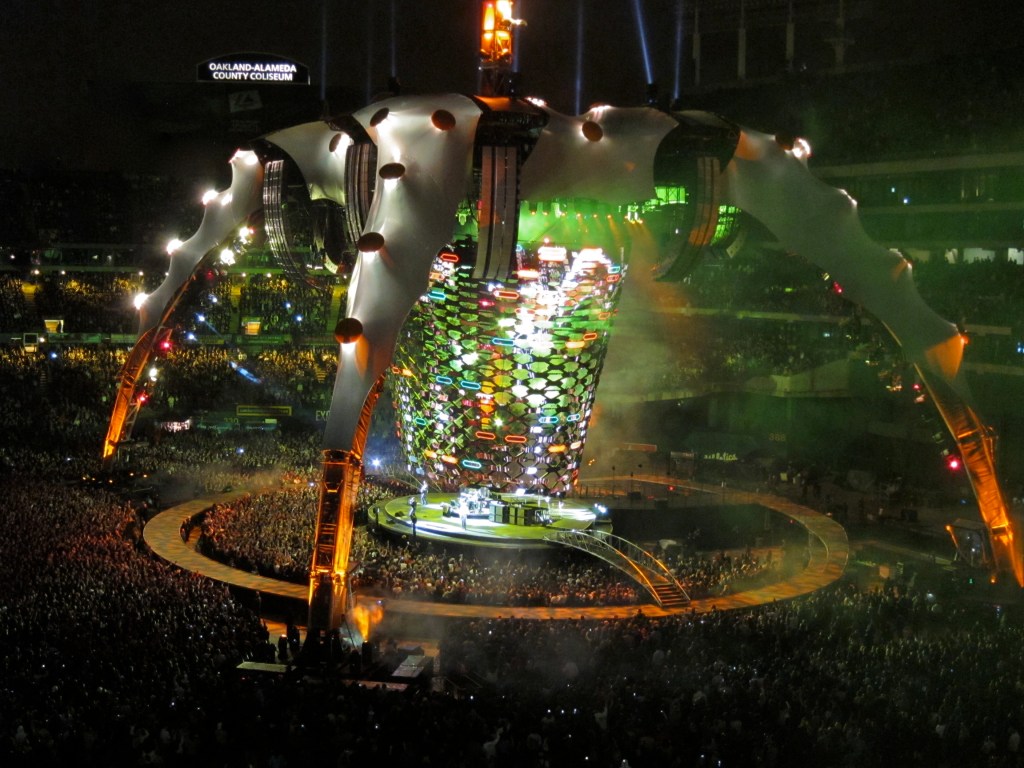
None of these things are inherently wrong. Technology can help communicate to large groups.
But the contrast with the early church is striking. Early Christians gathered in homes, shared meals, prayed together, and sang collectively. Worship was something everyone participated in, not something a crowd mainly watched.
Scripted Worship vs. Spontaneous Participation
Another difference is how tightly modern services are controlled.
In many churches today, worship services are scheduled down to the minute. Music, announcements, transitions, and even prayer moments are planned in advance. In some cases, music tracks or portions of services are prerecorded to ensure consistency.
This structure can create polished presentations, but it leaves little room for spontaneous expression or participation.
In contrast, early Christian gatherings appear to have been far more interactive. 1 Corinthians 14:26 describes meetings where different believers contributed songs, teachings, or insights when the church gathered.
The picture presented in scripture is less like a stage performance and more like a shared gathering.
Paid Performers vs. Congregational Worship
In some churches, musicians are paid professionals who travel between churches as part of their job.
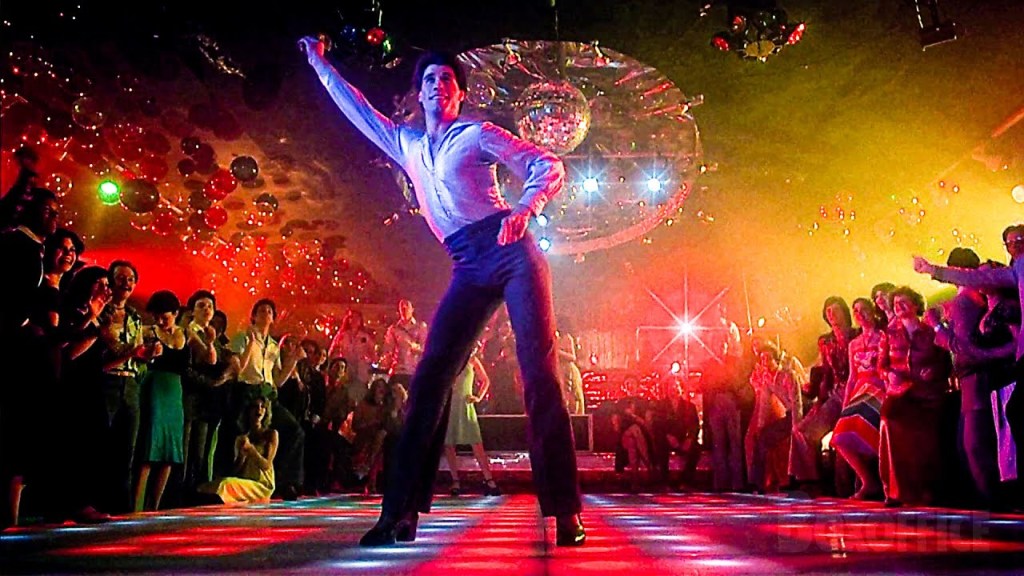
This shifts worship toward performance rather than shared devotion.
The early church treated singing as something the whole community participated in. Ephesians 5:19 describes believers singing to one another with psalms and spiritual songs.
Paul also tried to avoid making ministry appear like a financial enterprise. In Acts 18:3, he worked as a tentmaker while preaching, choosing financial independence so no one could accuse him of profiting from the gospel.

Distance Between Pastors and People
Large churches often struggle with personal connection between leadership and members.
In some congregations, pastors may have little direct interaction with the majority of the people attending each week. Communication is handled through staff layers, emails, or social media rather than personal relationships.
Yet the biblical model of leadership was relational. Leaders were meant to shepherd people personally.
Paul’s letters show deep familiarity with the believers he served, often mentioning individuals by name and addressing their specific situations.
Reputation in the Community
Paul also emphasized that church leaders should be respected outside the church.
In 1 Timothy 3:7, he writes that leaders must have a good reputation among outsiders.
The church was meant to be known for humility, generosity, and care for people. When churches instead become known for political conflict, financial excess, or internal controversy, that reputation shifts.
The Balance Between Old and New
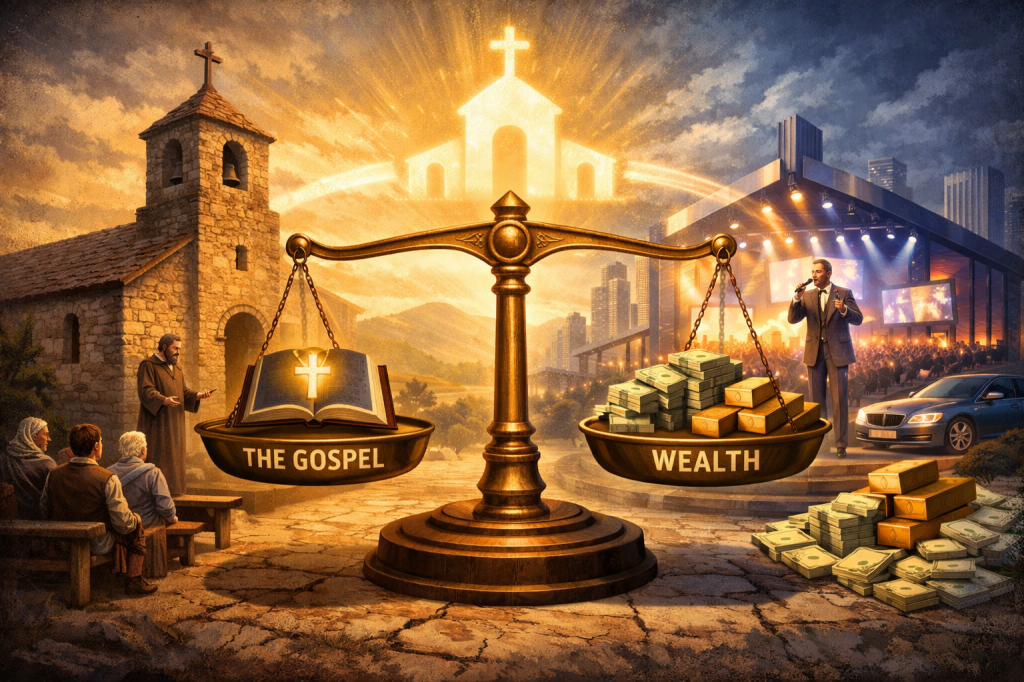
Not every modern change is negative. Technology allows churches to reach far more people than the early church ever could.
But the deeper issue is whether modern methods are replacing biblical priorities.
The early church emphasized community, humility, shared participation, and genuine relationships. If those foundations fade, the church risks becoming less like a spiritual family and more like a religious production.
And that raises an important question for modern believers: are churches simply adapting to the times—or slowly drifting away from the model that started it all?

 theveilwesternchurchtalk.blog
Leave a comment